Understanding HOA Restrictions on Artificial Grass in Charlotte
If you live in a homeowners association community in Charlotte, you've likely encountered the rulebook that governs everything from mailbox colors to landscaping choices. Many HOAs have specific guidelines about front yard aesthetics, and artificial grass sits in a gray area for many communities. Some associations embrace synthetic turf as a water-saving, low-maintenance solution, while others maintain strict natural grass requirements or have outdated policies that don't yet account for modern artificial turf technology.
The reason HOAs often scrutinize lawn choices comes down to property values and community appearance standards. Historically, artificial grass had a reputation for looking plastic and cheap, which understandably concerned boards focused on maintaining neighborhood curb appeal. However, today's artificial turf products are dramatically different from what was available even five years ago. High-quality synthetic grass now mimics natural lawn so closely that many neighbors won't notice the difference. Understanding your specific HOA's position on artificial grass is the first step toward getting approval for Residential Artificial Grass Installation in your front yard.
What Do Charlotte-Area HOAs Typically Require?
HOA turf rules in North Carolina vary significantly from community to community, but most follow similar approval processes. Before installing artificial grass, you'll need to review your HOA's architectural guidelines or design standards document. This document usually outlines which materials are permitted, color specifications, and any restrictions on front yard modifications. Some Charlotte-area HOAs have embraced sustainability initiatives and actively encourage water-saving alternatives like artificial turf, while others maintain blanket prohibitions on synthetic materials.
Common HOA requirements for front yard artificial grass include specifications on pile height, color range (typically shades of green that match natural grass), and drainage systems. Many associations require that synthetic turf look indistinguishable from quality natural grass from the street. Some HOAs also mandate that you use only turf products from an approved vendor list, while others simply specify performance standards. The key is to obtain a copy of your governing documents before moving forward. You can usually request these from your HOA management company or board president. If your HOA doesn't explicitly address artificial grass, that doesn't mean approval is automatic, but it may give you leverage during the approval process.
The HOA Submittal and Approval Process
Once you understand your HOA's rules, the next step is preparing a formal submittal for approval. Most HOAs require an Architectural Review Request or Design Submittal form, which you'll complete and submit to your architectural review committee or board. This form typically asks for details about the project, including the area to be covered, the specific turf product you plan to install, color samples, and sometimes photos of the proposed installation area. Having professional documentation makes a strong impression and demonstrates that you've thought through the project carefully.
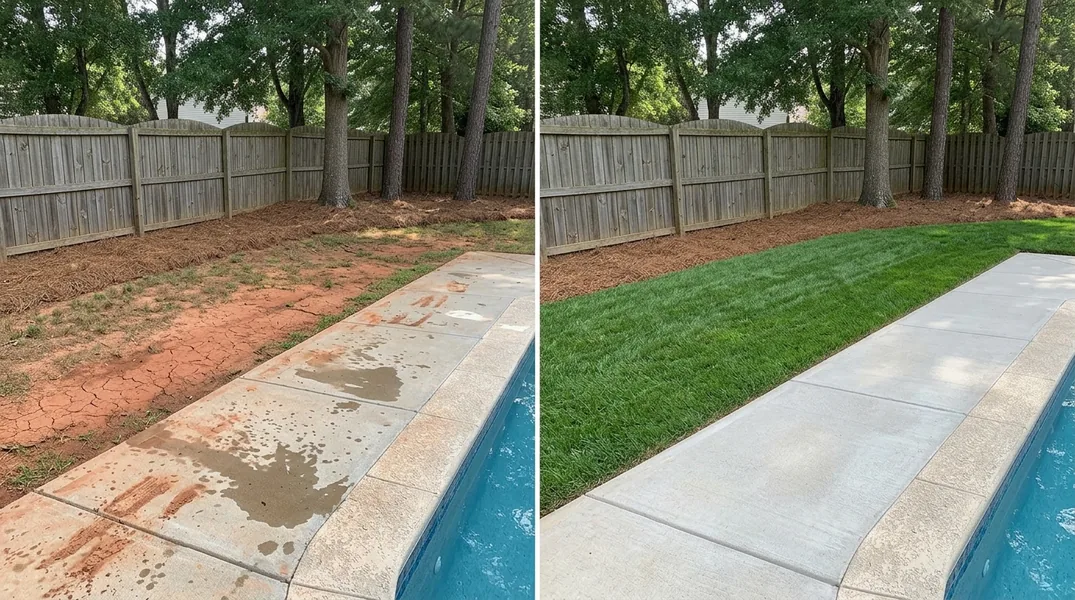
When preparing your submittal, include high-quality product samples and marketing materials from the artificial grass manufacturer. Show the HOA that your chosen turf meets or exceeds industry standards for durability, UV resistance, and drainage. Many HOAs appreciate seeing before and after photos of similar installations in comparable neighborhoods. If you're working with a professional installer like Charlotte Turf Installation, they can often provide these materials and even attend your HOA meeting to answer technical questions. Be prepared to wait two to four weeks for a response, as most architectural review committees meet monthly. Some HOAs may request revisions or additional information before granting approval, so building in extra time to your project timeline is wise.
Common HOA Objections and How to Address Them
Even with a strong submittal, you may encounter HOA concerns about artificial grass. The most common objection is appearance. Address this by providing samples of premium turf products that closely resemble natural grass. Show your HOA photos of recent installations in similar climates and neighborhood settings. Emphasize that modern artificial grass includes realistic color variation, natural-looking blade texture, and proper drainage systems that prevent the pooling water issues associated with older synthetic products.
Another frequent concern is environmental impact. Counter this by highlighting the water savings artificial grass provides, especially important in North Carolina where droughts can occur. Many HOAs are shifting toward sustainability goals, and demonstrating that your installation aligns with water conservation efforts can sway the board. Some HOAs worry about heat retention or safety concerns. Premium artificial grass products are designed to stay cooler than cheaper alternatives and meet safety standards for residential use. Finally, if your HOA expresses concerns about resale value, provide market research showing that artificial grass installations can actually enhance property appeal to buyers seeking low-maintenance yards. Having these counterarguments prepared before your submittal gives you the best chance of approval.
Working with a Professional Installer for HOA Compliance
Partnering with an experienced Residential Artificial Grass Installation company can significantly improve your HOA approval odds. Professional installers understand local HOA standards and can recommend products specifically chosen to meet typical architectural guidelines. They can also provide technical specifications, warranty information, and installation photos that strengthen your submittal package. Charlotte Turf Installation works regularly with homeowners navigating HOA approvals and understands the specific concerns of associations throughout the region.
A reputable installer will also ensure your finished installation meets HOA standards for appearance and drainage. They can handle the technical aspects like proper base preparation, seaming, and infill installation, which directly impact how natural your artificial grass looks. If your HOA approves your project contingent on certain specifications, your installer should be able to guarantee those requirements are met. Before hiring, discuss your HOA situation with potential contractors and ask for references from other Charlotte-area homeowners who successfully navigated similar approvals. This collaboration between you, your HOA, and your installer creates the best outcome for everyone involved.
Moving Forward with Your Artificial Grass Project
Getting HOA approval for front yard artificial grass requires patience, preparation, and the right information. Start by thoroughly reviewing your governing documents, then prepare a professional submittal that addresses your HOA's specific concerns. Don't underestimate the value of presenting your case clearly, with quality samples and realistic photos that show how attractive modern artificial turf can be. Many HOA boards are more open to synthetic grass than homeowners expect, especially when presented with compelling evidence about product quality and long-term benefits.
If you're ready to move forward with your project in Charlotte, the team at Charlotte Turf Installation can guide you through every step, from product selection to HOA submission support. We've helped countless homeowners successfully navigate their association approval processes and install beautiful, compliant artificial grass yards. Contact us at (980) 949-0681 to discuss your specific situation and get a free estimate for your front yard project. With the right preparation and professional support, you'll be enjoying your low-maintenance artificial lawn sooner than you think.
Looking for a professional artificial grass installation company in Charlotte? Charlotte Turf Installation responds fast for all your artificial grass installation needs.
Get a Free Quote